
ЧТО ВЫ ИЩЕТЕ?

В профессиональной сфере шариковые винтыПод "ходом" понимается расстояние, на которое гайка перемещается вдоль оси за один оборот винта.
Для покупателей выбор между большой свинец и маленький свинец По сути, речь идет о балансе между скоростью и точностью/силой броска. Ниже приведено сравнение ключевых различий между ними.
| Особенность | Высокосвинцовый шариковый винт | Шариковый винт с низким ходом |
| Скорость передвижения | Чрезвычайно быстрый. Подходит для сценариев высокочастотного и быстрого позиционирования. | Более медленная подача. Подходит для точной регулировки и медленной подачи. |
| Точность позиционирования | Относительно низкий показатель. Большой отрыв означает, что угол поворота более чувствителен к влиянию смещения. | Чрезвычайно высокое значение. Малый эквивалент импульса, что обеспечивает более точный контроль микросмещения. |
| Грузоподъемность | Ниже. При том же крутящем моменте создаваемая осевая тяга меньше. | Это относительно высокая величина. Используя принцип угла наклона спирали в резьбе, можно создать большую осевую тягу. |
| Самоблокирующийся | Она склонна к обратимой передаче. При вертикальном расположении груз может сползать вниз под действием силы тяжести. | Хорошо. Хотя шариковые винты, как правило, плохо самоблокируются, они относительно более стабильны при небольшом шаге. |
| Повышение температуры и шум | Работа на высоких скоростях легко приводит к выделению тепла и требует высокой динамической балансировки. | Он работает бесперебойно, с относительно низким уровнем шума и тепловыделения. |
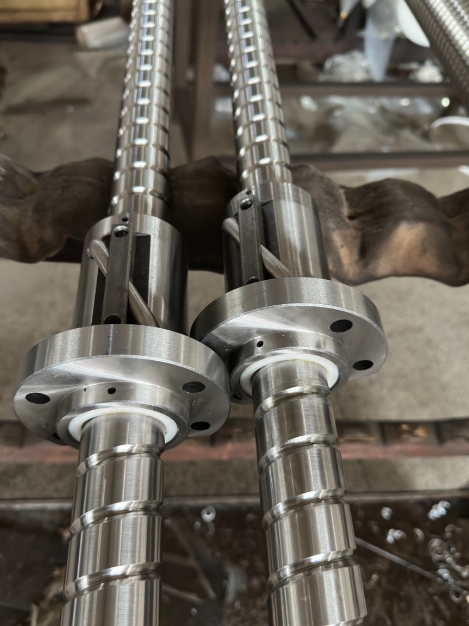
Большой линейный потенциал: «Спринтер» эффективности
Большие ходовые винты (например, провода диаметром 25 мм, диаметром 25 мм или более) в основном используются в высокоскоростном автоматизированном оборудовании.
Преимущества: Обеспечивает чрезвычайно высокие линейные скорости даже при относительно низких оборотах двигателя. Это снижает тепловыделение двигателя и продлевает срок службы приводной системы.
Проблемы: Из-за большого угла наклона резьбы предъявляются повышенные требования к тормозным характеристикам двигателя. При вертикальной установке необходимо использовать двигатель с удерживающим тормозом; в противном случае гайка подвержена риску падения под действием силы тяжести после отключения питания.
Тонкий вывод: "прецизионная игла" для питания
Малые ходовые винты (например, с стержнем диаметром 25 мм, толщиной 4 мм или 5 мм) являются предпочтительным выбором для станков и прецизионных измерительных приборов.
Преимущества: Высокое механическое увеличение. При одинаковом крутящем моменте двигателя меньший шаг стержня обеспечивает большую силу резки или сжатия. Одновременно это обеспечивает более высокое разрешение, позволяя достигать точности позиционирования на микронном уровне.
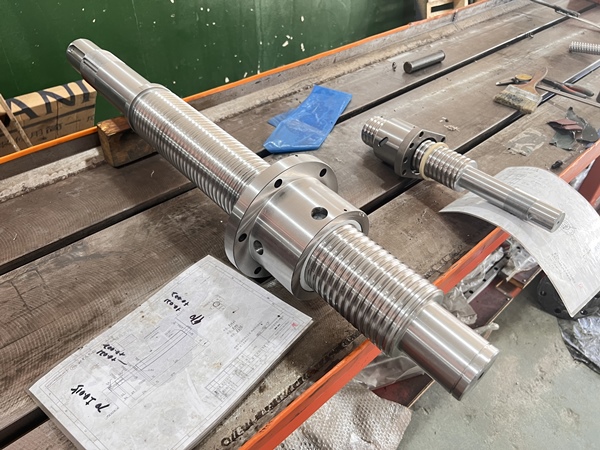
Проблемы: Высокоскоростное движение требует значительного увеличения скорости вращения двигателя, что может привести к срабатыванию «критической скорости» ходового винта, вызывая резонанс или сильную вибрацию.
3. Рекомендации по сценариям применения
Ситуации, требующие большого запаса свинца:
Деревообрабатывающие станки, станки лазерной резки (требующие быстрого возврата в рабочее состояние), погрузочно-разгрузочные роботы.
Автоматизированные производственные линии, требующие высокой скорости производственного цикла.
Ситуации, требующие использования короткого провода:
Обрабатывающие центры с ЧПУ, шлифовальные станки с ЧПУ (требующие высокоточной и ресурсоемкой резки), лабораторные прецизионные подвижные платформы, механизмы впрыска в литьевых машинах (требующие огромной тяги).
Пожалуйста, читайте дальше, следите за новостями, подписывайтесь, и мы приглашаем вас рассказать нам, что вы думаете.


 Поддерживается сеть IPv6

 ПОДПИШИТЕСЬ НА НАШИ НОВОСТИ